What a beautiful day it was yesterday, to walk the Veterans Public Arts Trail as I started my training to become a volunteer tour guide with the Australian National Veterans Arts Museum (ANVAM).
It wasn’t my first time completing the trail. I first walked it several years ago and remember being blown away by just how much the veteran community has contributed to the shape and story of Melbourne. But walking it this time, as part of my training to eventually guide other people around it, gave me a completely different perspective.
With the feeling of spring in the air, we ended up walking more than 4kms. And, in true curious fashion, we didn’t exactly stick to the trail. We diverted here and there to look at other works by veterans and members of veteran families, because once you start discovering these connections, one story seems to lead to another.
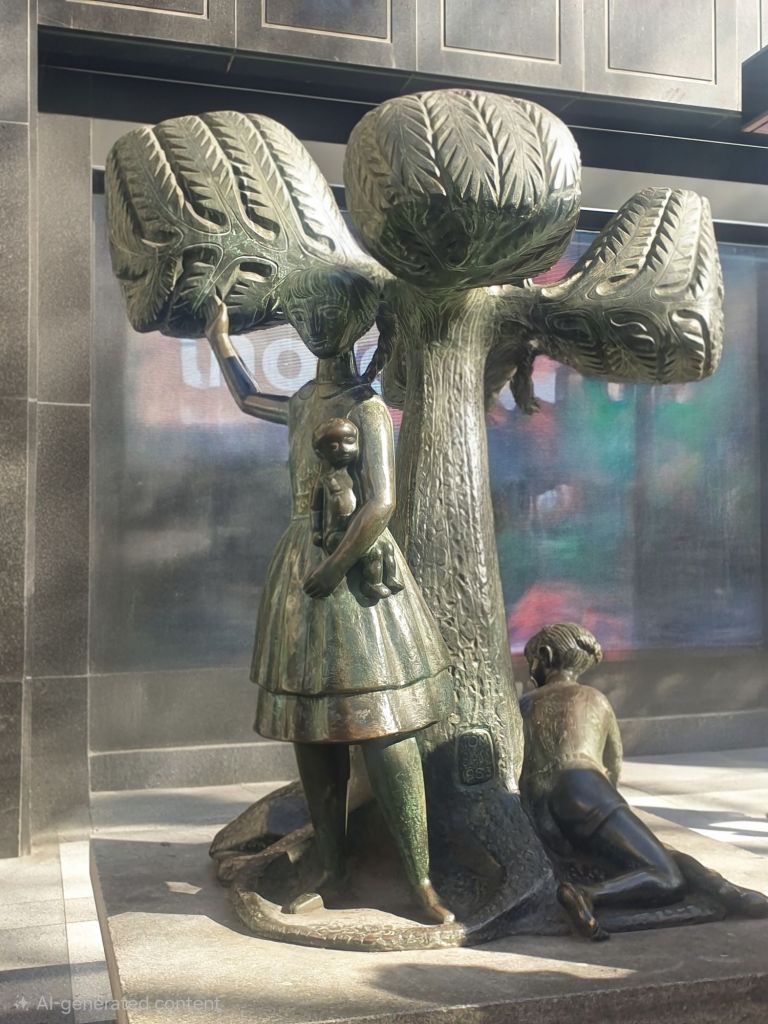
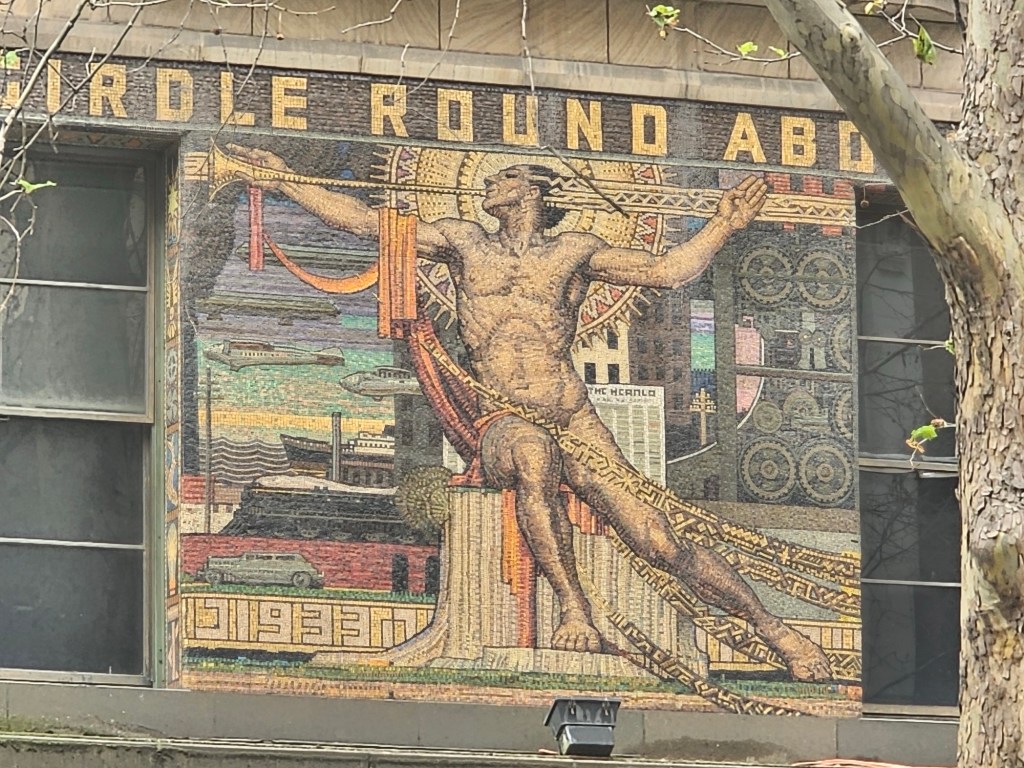
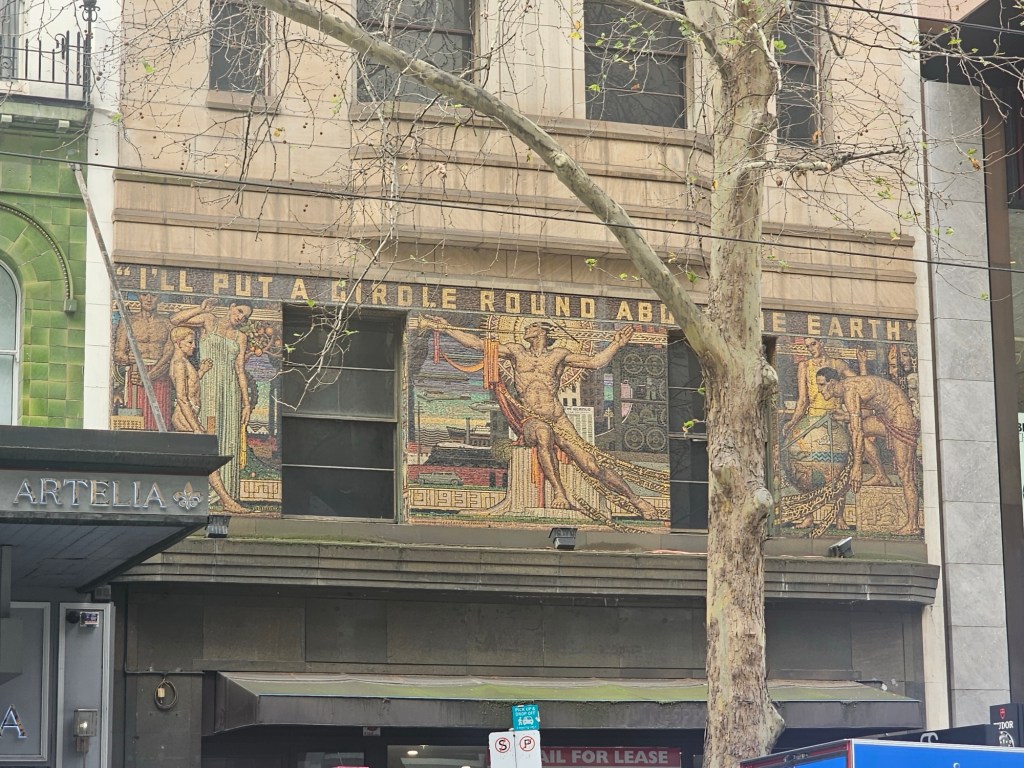
I learnt so much.
And I also had plenty of those moments where I found myself thinking, “I would never have guessed that!”
I would never have guessed that the famous Birdman Rally was founded by an RAF veteran.
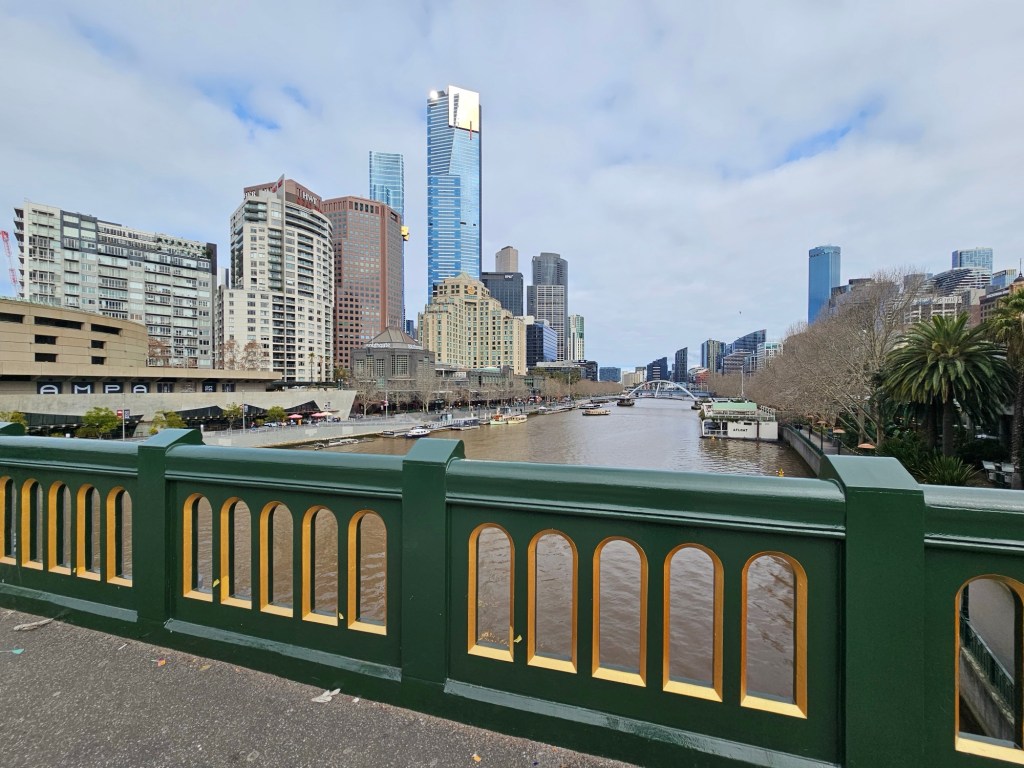
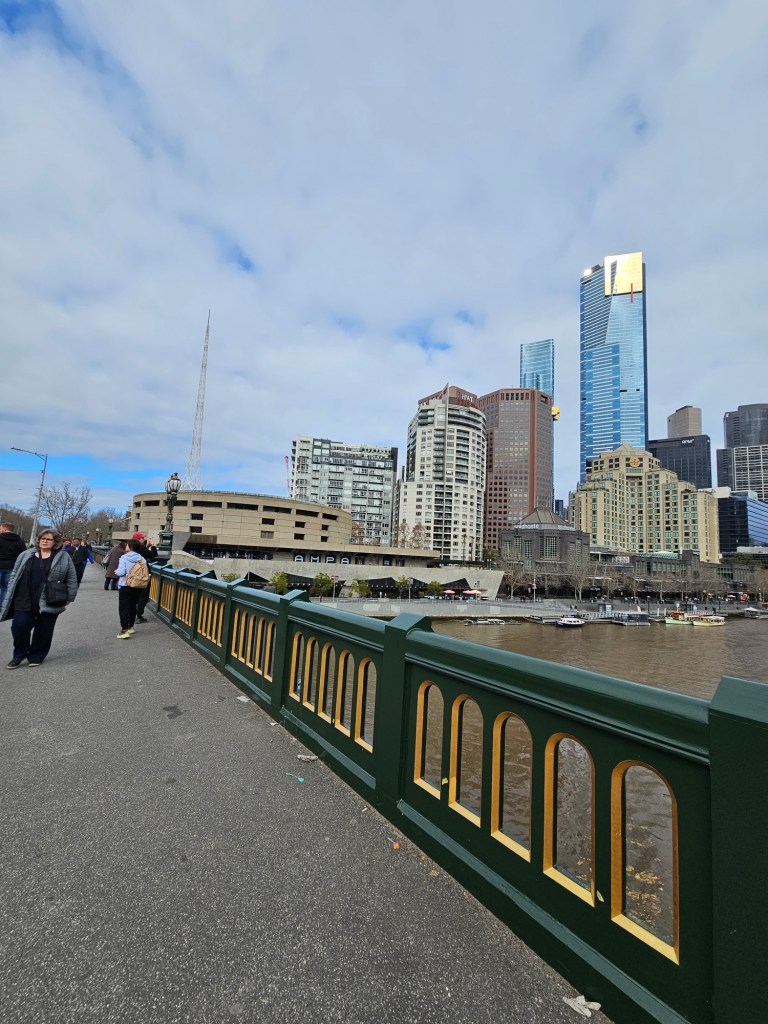
I would never have thought about the veteran connection behind Princes Bridge, despite having crossed it countless times. That gorgeous bridge spanning the Yarra, connecting Flinders Street Station with the beginning of Melbourne’s arts precinct, has simply always been part of the landscape to me. Yet there is another story sitting there beneath our feet.
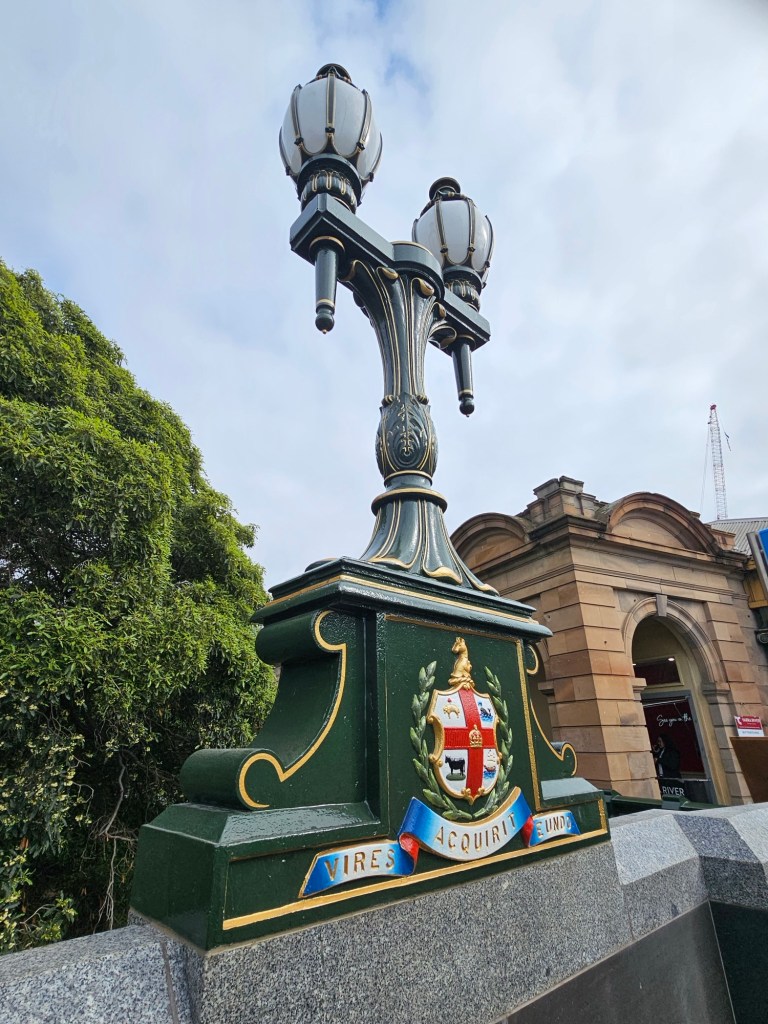
And then there was AC/DC.
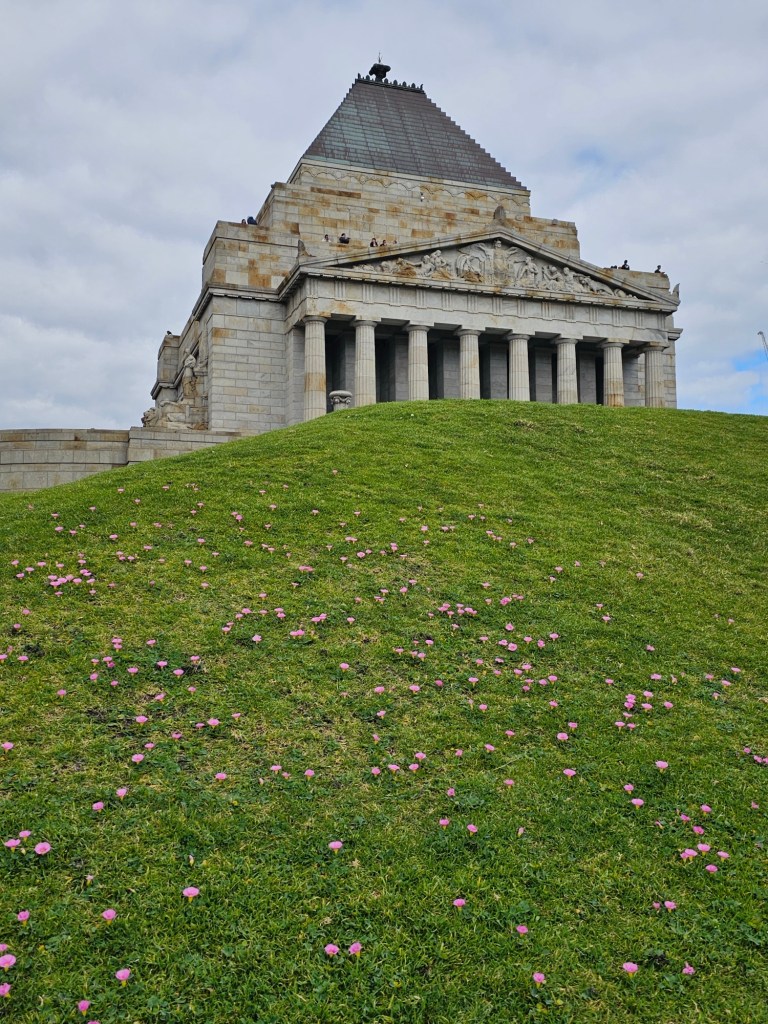
As part of our walk, we headed down the street where the iconic video for It’s a Long Way to the Top (If You Wanna Rock ’n’ Roll) was filmed, with the Shrine of Remembrance even appearing in the background of part of the clip. Not to mention members of the Rats of Tobruk pipe band. But what I hadn’t really thought about before were AC/DC’s veteran connections, including band members who were children of veterans.
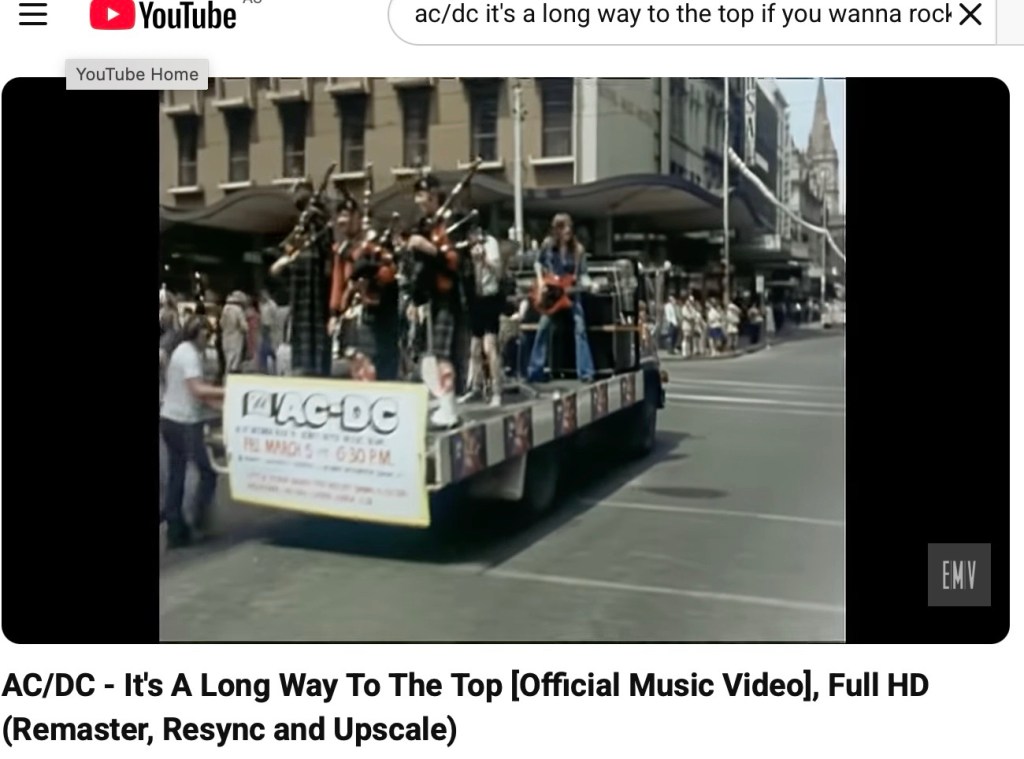
Another familiar piece of Melbourne’s cultural history suddenly had another story sitting behind it … Melbourne streets + AC/DC + children of veterans + a serving-veteran connection + the Rats of Tobruk + bagpipes + the Shrine appearing in the cityscape = Veteran Artists Community
Then there are the connections to other names we all know.
Dame Olivia Newton-John.
Max Gillies.
Peter Allen.
And many more.
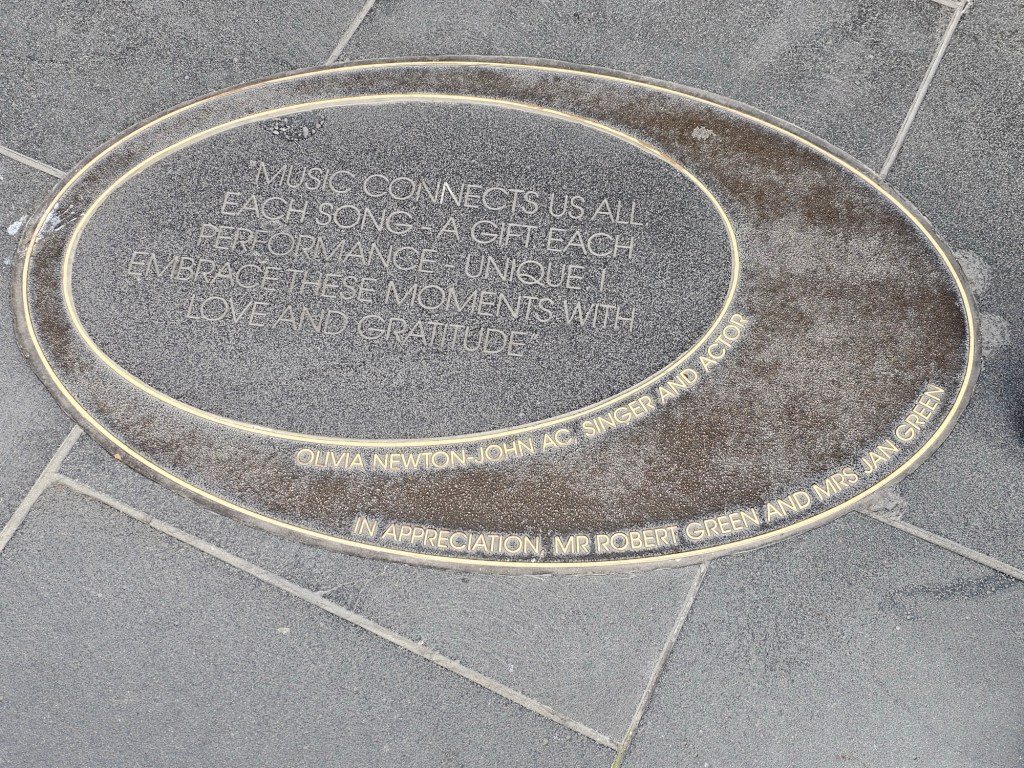
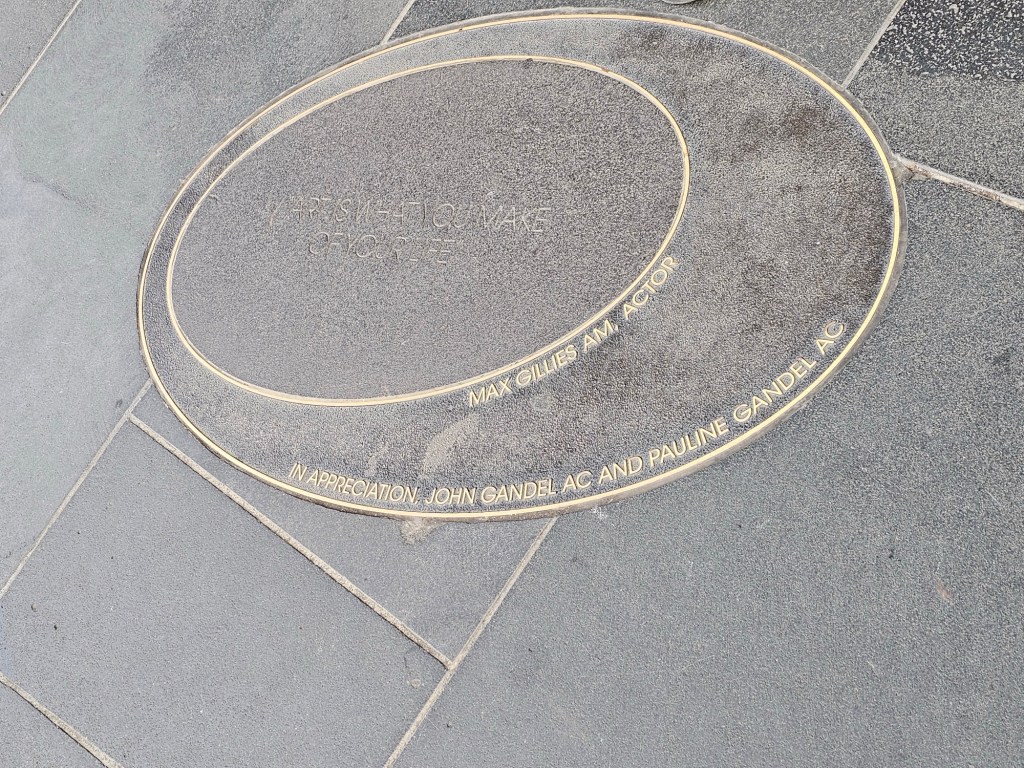
It is fascinating to realise how often veterans and veteran families have been connected to the cultural, creative and built history of Melbourne without most of us ever knowing it.
Everywhere you look, the community of veteran artists, architects, designers, creatives and their families have had such a significant impact on the shape of Melbourne.
Not just through memorials or military-themed artwork either.
Through buildings.
Bridges.
Sculptures.
Murals.
Mosaics.
The arts precinct.
Public spaces.
Works tucked away inside buildings.
Details sitting high above street level.
And others quite literally beneath our feet.
Some are obvious. Others you could walk past every day for years and never stop to wonder who created them, why they are there, or what story sits behind them.
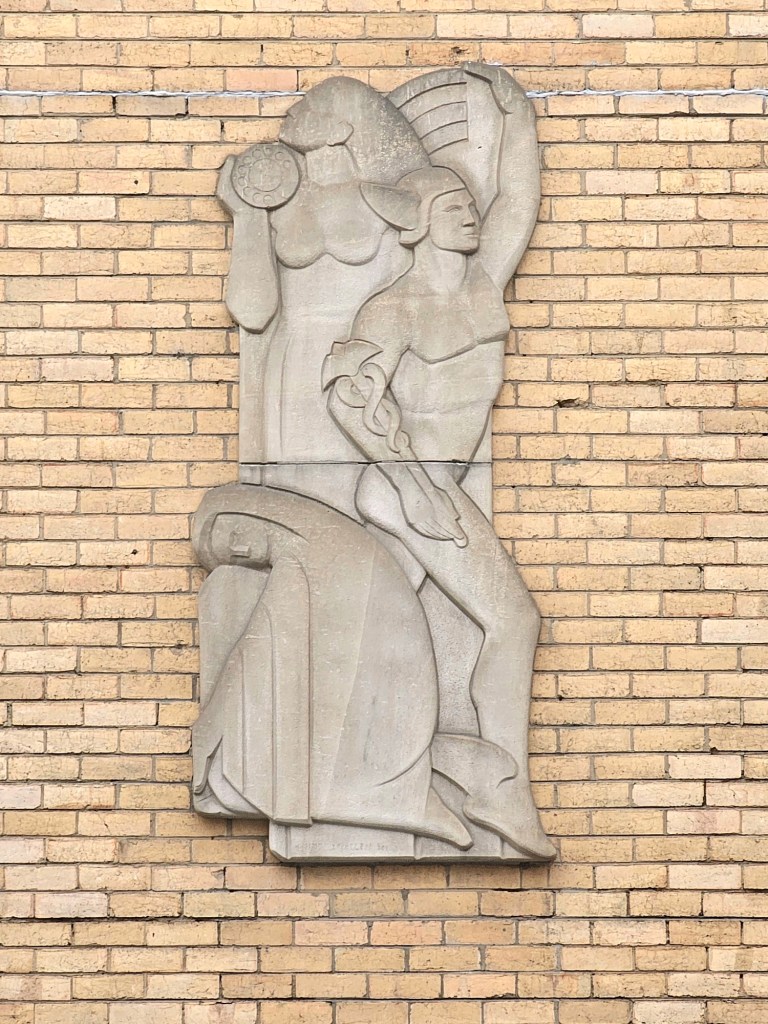
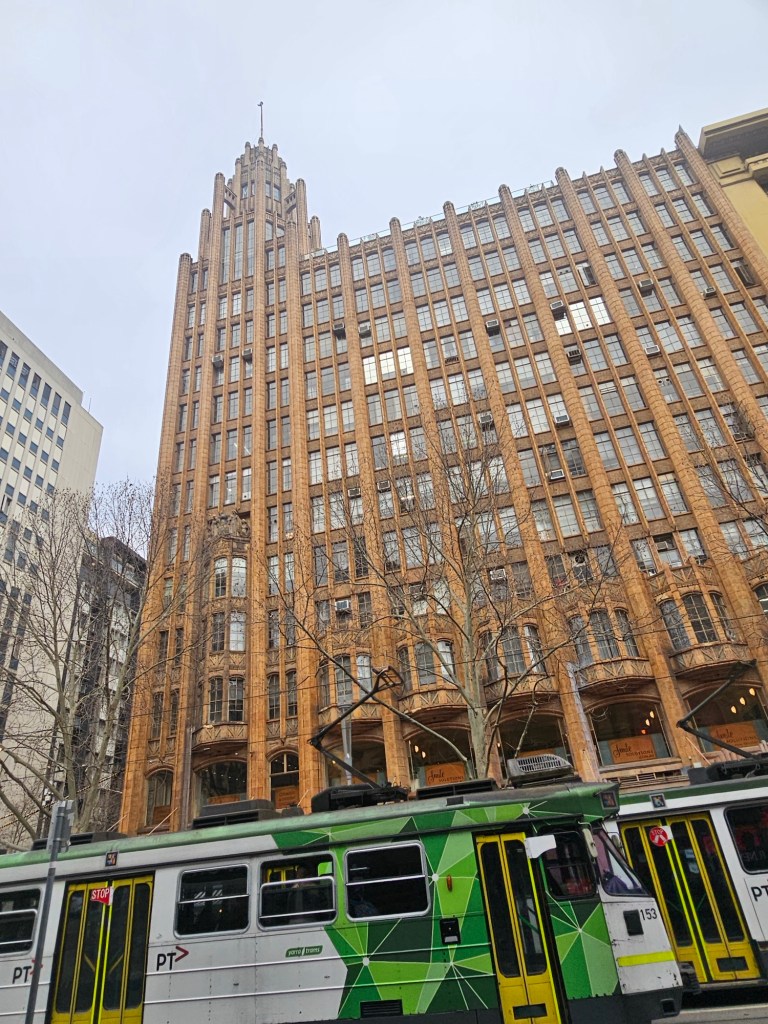
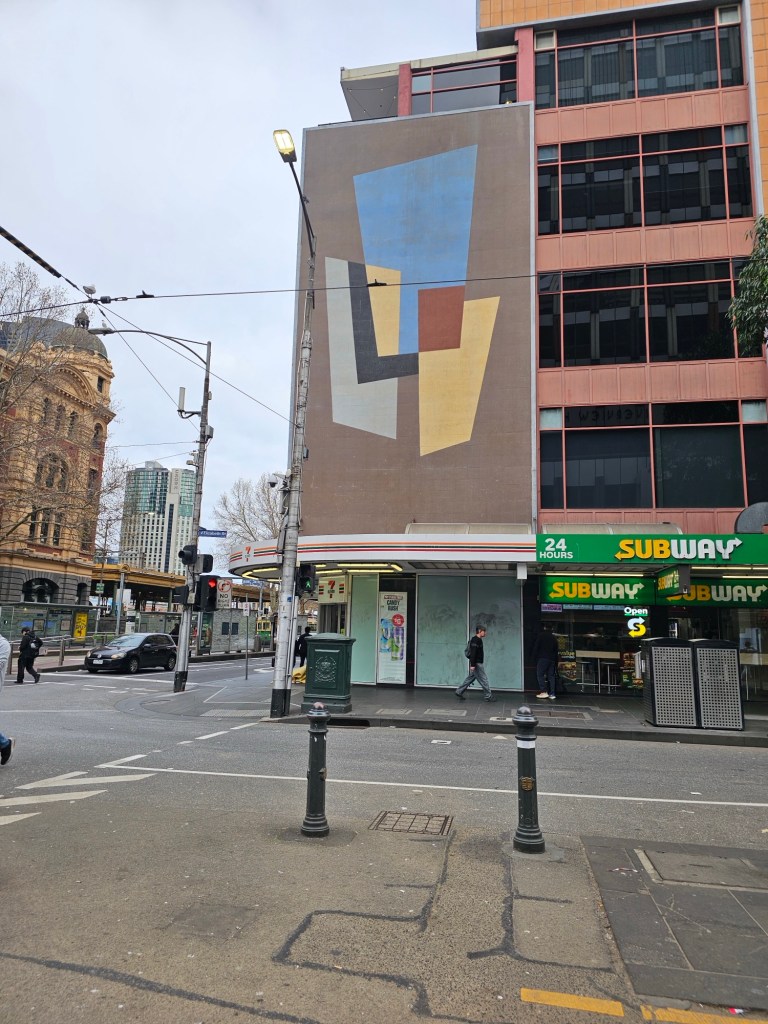
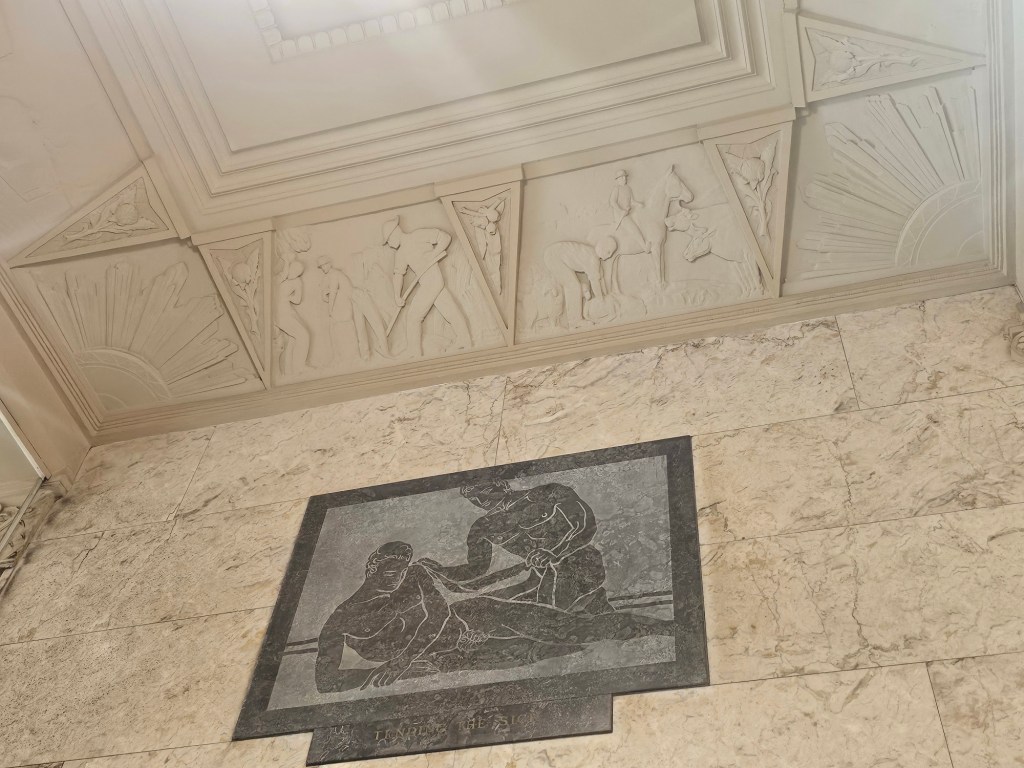
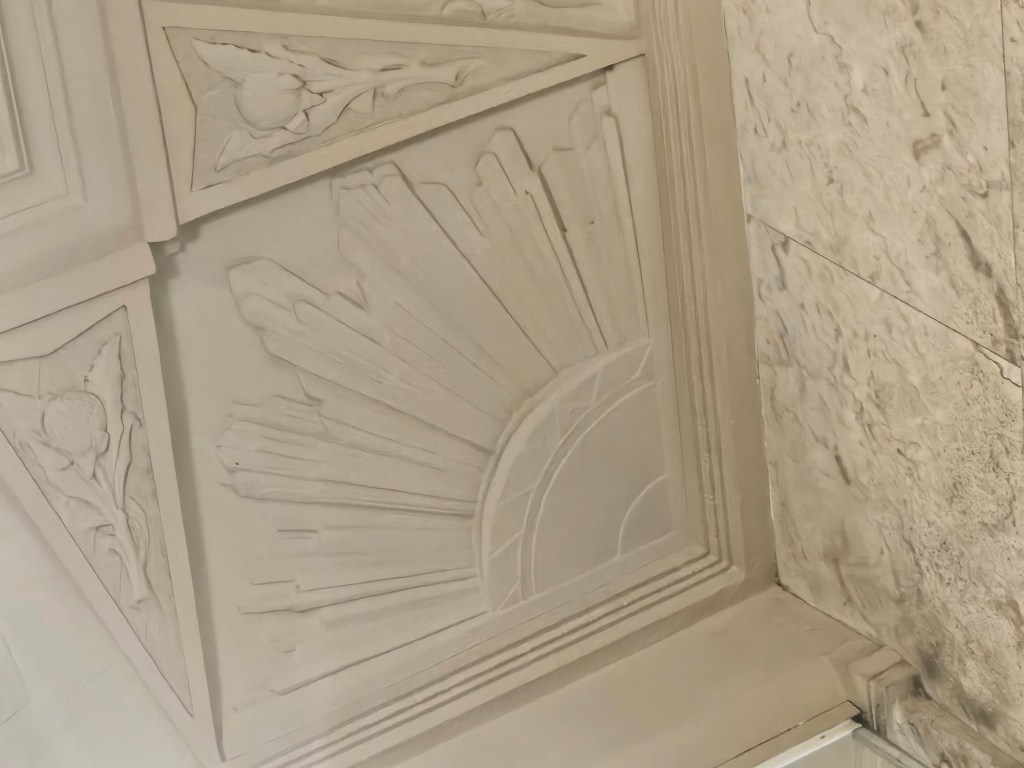
That is one of the things I love most about the Veterans Public Arts Trail.
It makes you curious.
It makes you look up.
It makes you look closer.
And then look again.
Suddenly, a familiar city starts to feel unfamiliar in the best possible way.
You begin to notice the things that have always been there, but that you never really saw before.
One of the works we stopped to see was Karl Duldig’s Australia Today and Tomorrow. Even the title caught my imagination. There was something about seeing a work created decades ago, still sitting within the Melbourne of today, that made me think about how creativity, history and legacy continue to ripple forward.
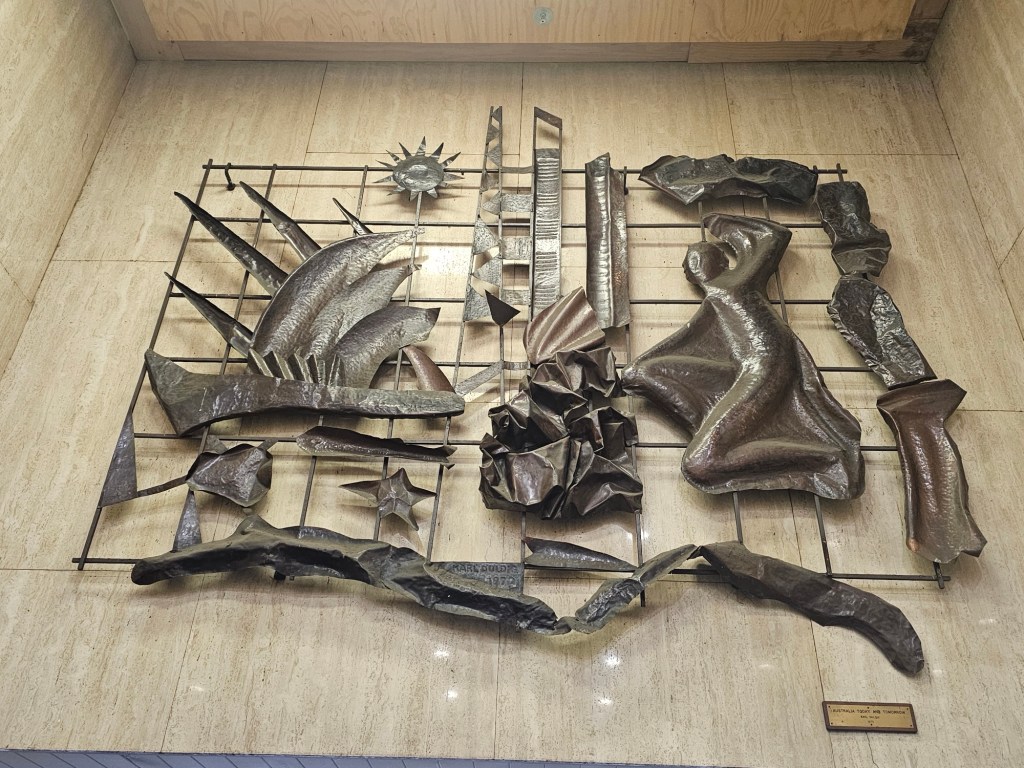
And that is what the trail keeps bringing me back to.
Veterans have not simply been commemorated in Melbourne.
Veterans and their families have helped create Melbourne.
That is such a different story.
They have helped shape the buildings we pass, the bridges we cross, the public spaces we enjoy and the cultural landscape we often take for granted.
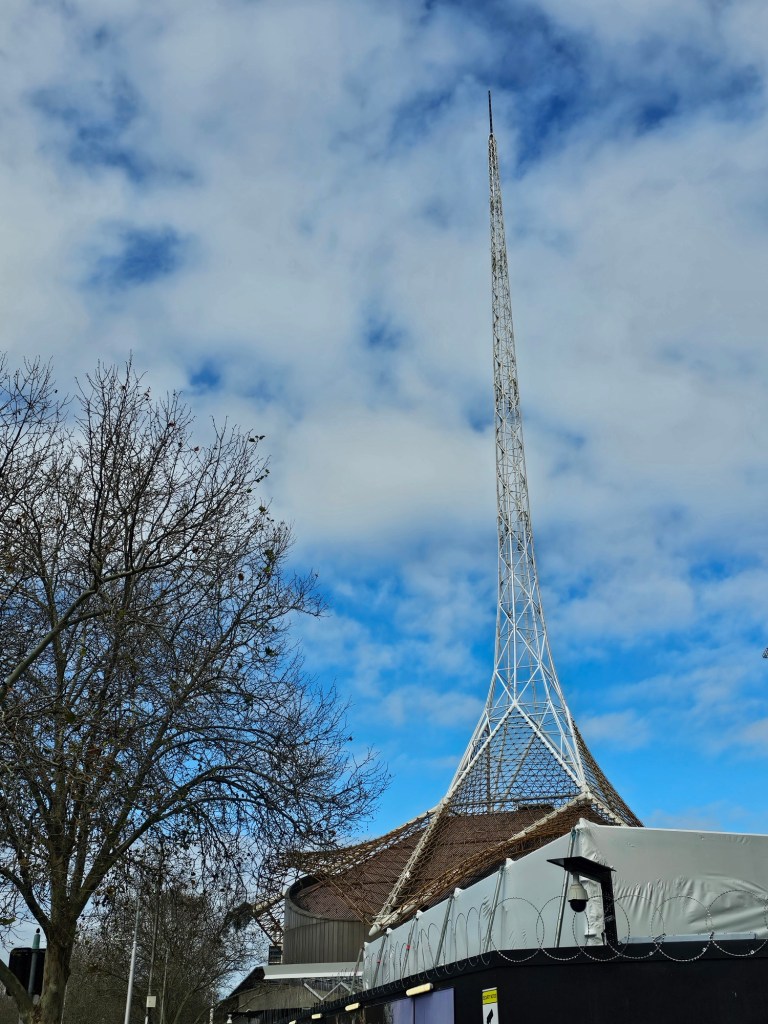
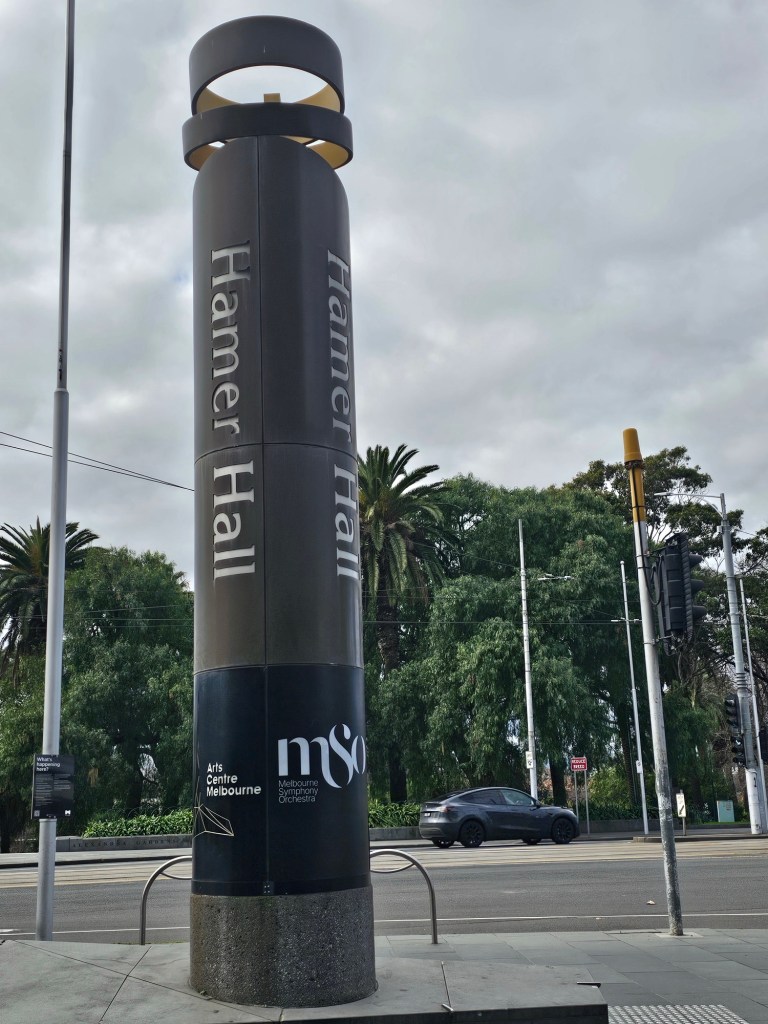
And the more I learn, the more I realise just how many stories are still waiting to be discovered.
That is also what made this walk different for me.
I wasn’t simply experiencing the trail again for myself. I was beginning to think about how I might eventually share these stories with other people.
How do you help somebody notice something they have walked past a hundred times?
How do you turn a building into a story?
How do you help someone pause on a bridge they usually hurry across and think, “I had absolutely no idea”?
And how do you share enough of the history to spark curiosity, without taking away the joy of discovery?
I still have plenty to learn as I continue my volunteer tour guide training, and that is probably part of what excites me most.
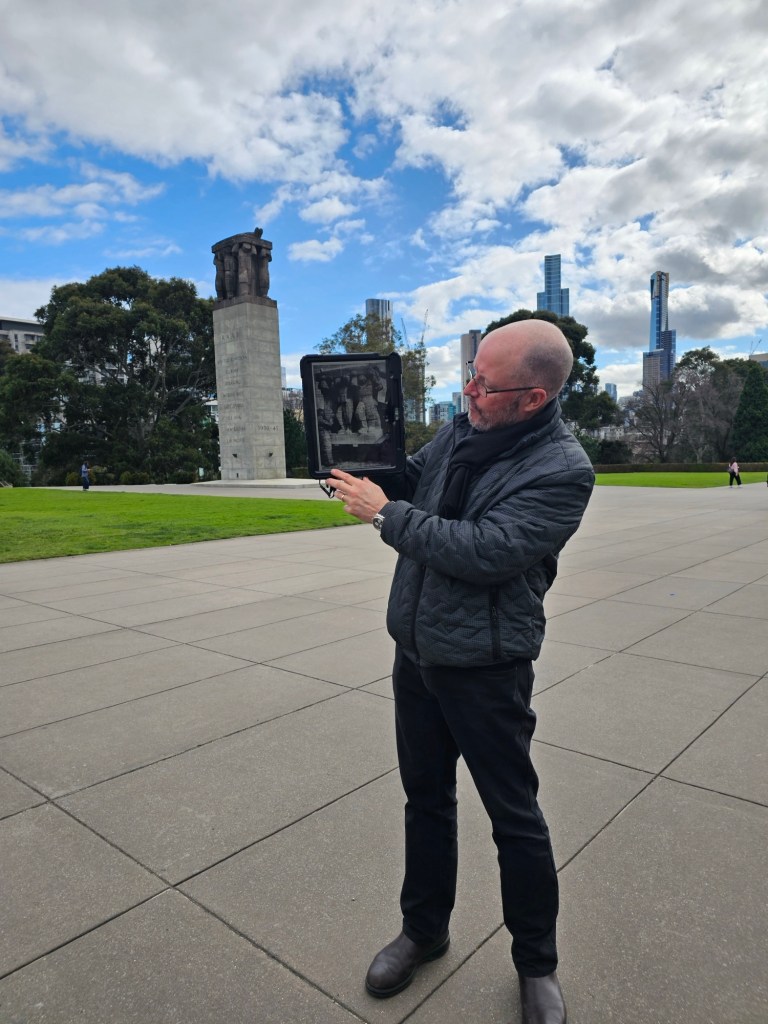
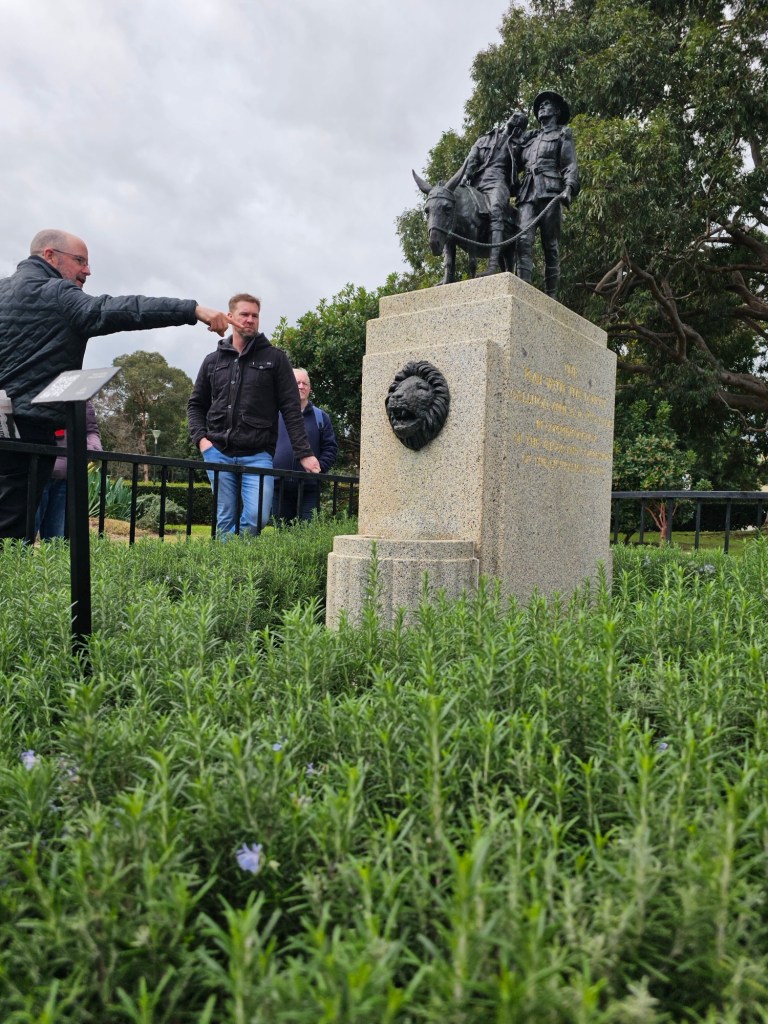
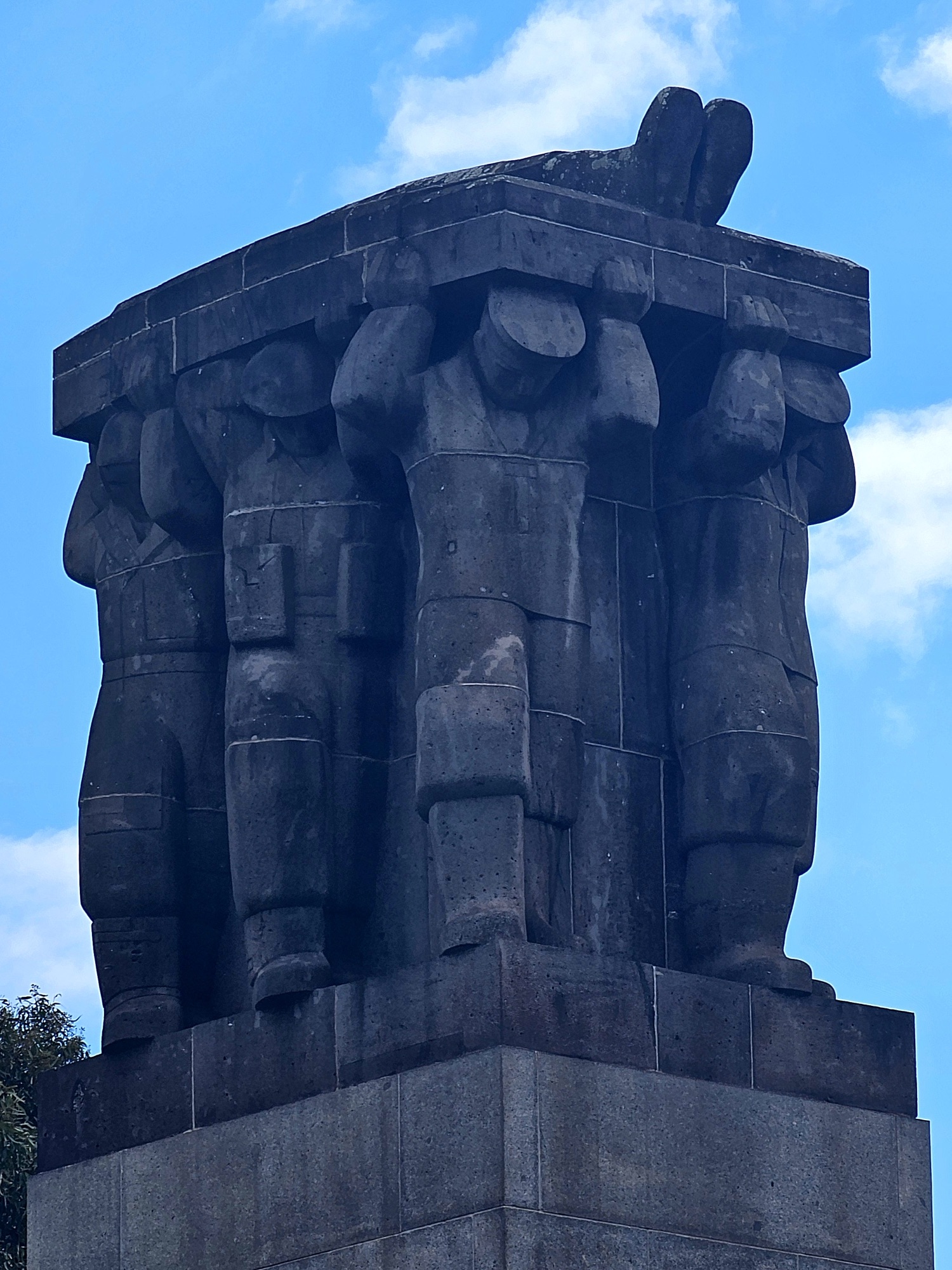
Because, for me, this trail really does bring together so many things I love.
Curiosity ❤️
History ❤️
Veterans ❤️
Creativity ❤️
My interests all rolled up into one walking tour is blissful happiness 🥰
And now I get to learn how to share some of that blissful happiness, curiosity and discovery with other people too.
 Jenn Barfield - Holistic Clarity Coaching